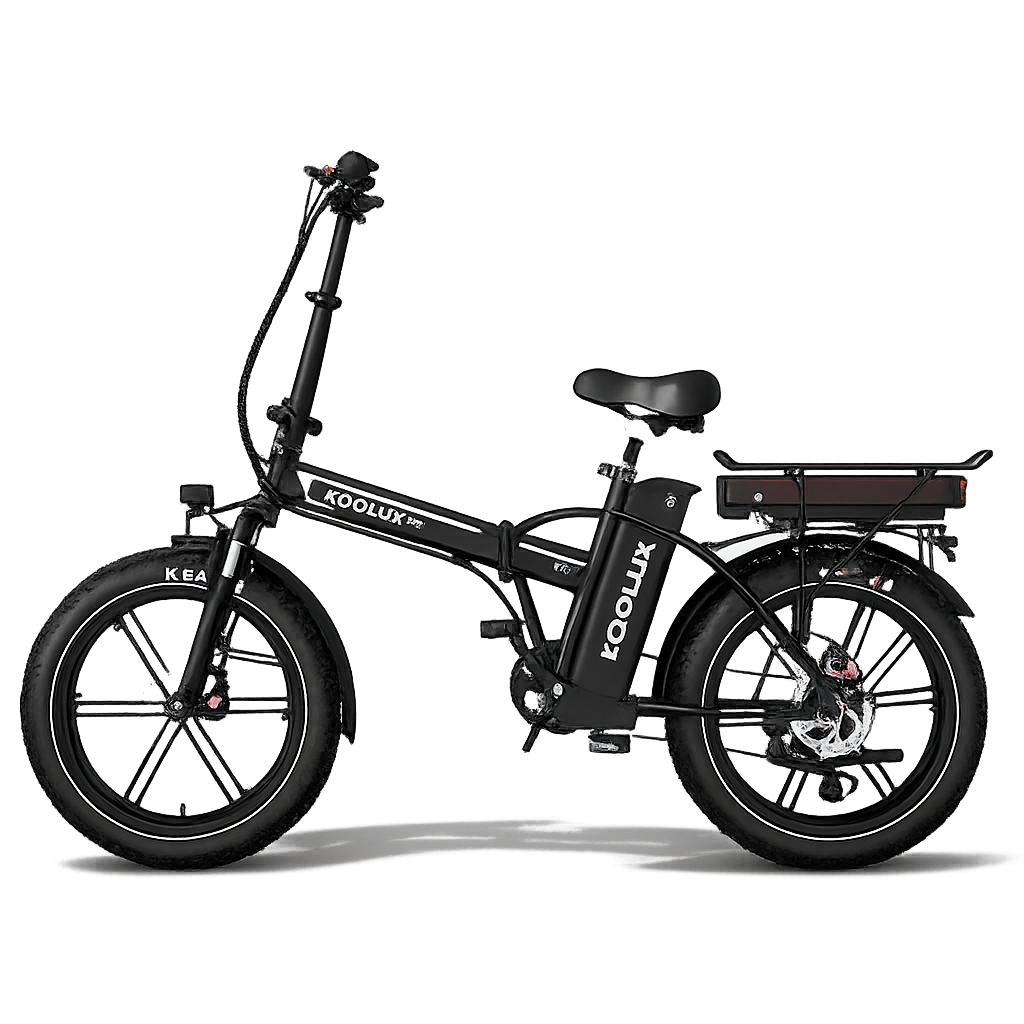
Are Electric Bikes Worth It? An Honest UK Answer for 2026

Updated August 2026 · Voltryv Editorial Team
We sell electric bikes, so you would expect our answer to be yes. Here is something more useful instead: the actual arithmetic, the actual evidence, and the three situations where we would honestly tell you not to buy one. Judge for yourself.
The 30-second verdict
Worth it: if you make regular journeys of 2–20 km that currently happen by car, train, bus — or do not happen at all because hills, sweat or distance put you off. Not worth it: if you barely travel, have nowhere to keep one, or secretly want a motorbike. Details below.
The money case
We ran the full numbers in our running-costs guide; the shape of it:
- All-in annual running cost of an e-bike: £150–£420 (electricity is ~£17 of that)
- The car commute it replaces: £1,800–£4,500 a year
- A rail season ticket: £1,500–£4,000
- Typical payback on a £499 X10: 10–13 weeks — faster still with 28–42% off through Cycle to Work
There are few purchases in adult life that pay for themselves inside a quarter. This is one.
The health case (no, it is not cheating)
The stubborn myth is that the motor does the exercise for you. The research keeps finding the opposite:
- E-bike riding is solidly moderate-intensity exercise — the motor assists your pedalling, it does not replace it (UK law actually requires you to pedal; see the law guide).
- E-bike owners ride more often and further than pushbike owners, because the barriers — hills, headwinds, arriving sweaty, "I am too tired today" — disappear. Exercise you actually do beats exercise you plan.
- For returning, older or recovering riders, assistance turns "impossible" rides into daily ones. It is a fitness on-ramp, not an off-ramp.
The time case
Door to door in UK cities, an e-bike holding a steady 14–15 mph beats a car crawling at urban averages — with zero parking hunt at the end (the speed maths here). Just as valuable: journey time becomes predictable. Traffic jams stop being your problem.
The practical case
- Arrive sweat-free — ride in work clothes, no shower needed
- Hills stop existing as a factor in route planning
- Racks and panniers swallow a week's shopping
- It is, and we cannot stress this enough, enormous fun — the grin on a first test ride converts more people than any statistic
The three cases where we would say no
- You barely make journeys. If you travel less than once or twice a week and mostly under 2 km, walk — the maths never catches up.
- You have genuinely nowhere to keep it. No indoor space, no secure shed, communal hallway bans — a street-stored e-bike is a theft problem you do not need. (Though read our folding comparison first: a 17 kg X1 under a desk solves most "nowhere" problems.)
- You want speed for its own sake. Every road-legal e-bike assists to 15.5 mph. If sustained 25 mph thrills are the point, you want a road bike and training, or a motorbike and a licence — not a derestricted e-bike and a court date.
Objections, answered honestly
- "The battery will need replacing." True eventually: £250–£400 after 800–1,000 cycles — years of riding, and good habits can double it. Amortised, it is £50–£80 a year.
- "They are heavy." Riding, the motor erases the weight entirely; carrying, it is real — which is why we make a point of the X1's 17.4 kg.
- "Theft." Managed risk: Gold lock, battery in your bag, or a folder that never sleeps outside. Full playbook in the security guide, and insurance caps the downside for £60–£150 a year.
- "Winter." Rain is fine, salt is manageable, and the motor makes winter riding easier than a pushbike — see the winter guide.
Worth it for whom — the honest matrix
| You | Worth it? | Start here |
|---|---|---|
| Car commuter, 3–15 km each way | Overwhelmingly | X10 or X3 |
| Train commuter with a last-mile gap | Yes — folder | X1 |
| Returning to cycling after years off | Yes — the on-ramp | Buyer guide first |
| Long-distance or weekend explorer | Yes, size the battery | BK6S PRO |
| Sub-2 km walker, rare traveller | Honestly, no | Keep walking |
Common questions
How long does an e-bike last?
Frame and motor: many years. Battery: 4–6 years of daily use with decent care. Consumables (tyres, pads, chain) as any bike.
Is 2026 a good time to buy, or should I wait?
The big leaps — reliable batteries, app connectivity, hydraulic brakes at mid-range prices — have already happened and are in current models. Waiting now costs you commuting seasons, not obsolescence.
What is the cheapest way in?
A £459 X1 outright, or roughly £330 net through Cycle to Work. Either way the running costs from day one are pennies.
The bottom line
For regular UK journeys between 2 and 20 km, an electric bike is one of the rare purchases that is simultaneously the cheap option, the healthy option and the fast option. See the full range — free UK delivery, 2-year warranty, honest specs throughout.