Electric Bike Size Guide: How to Find the Right Fit
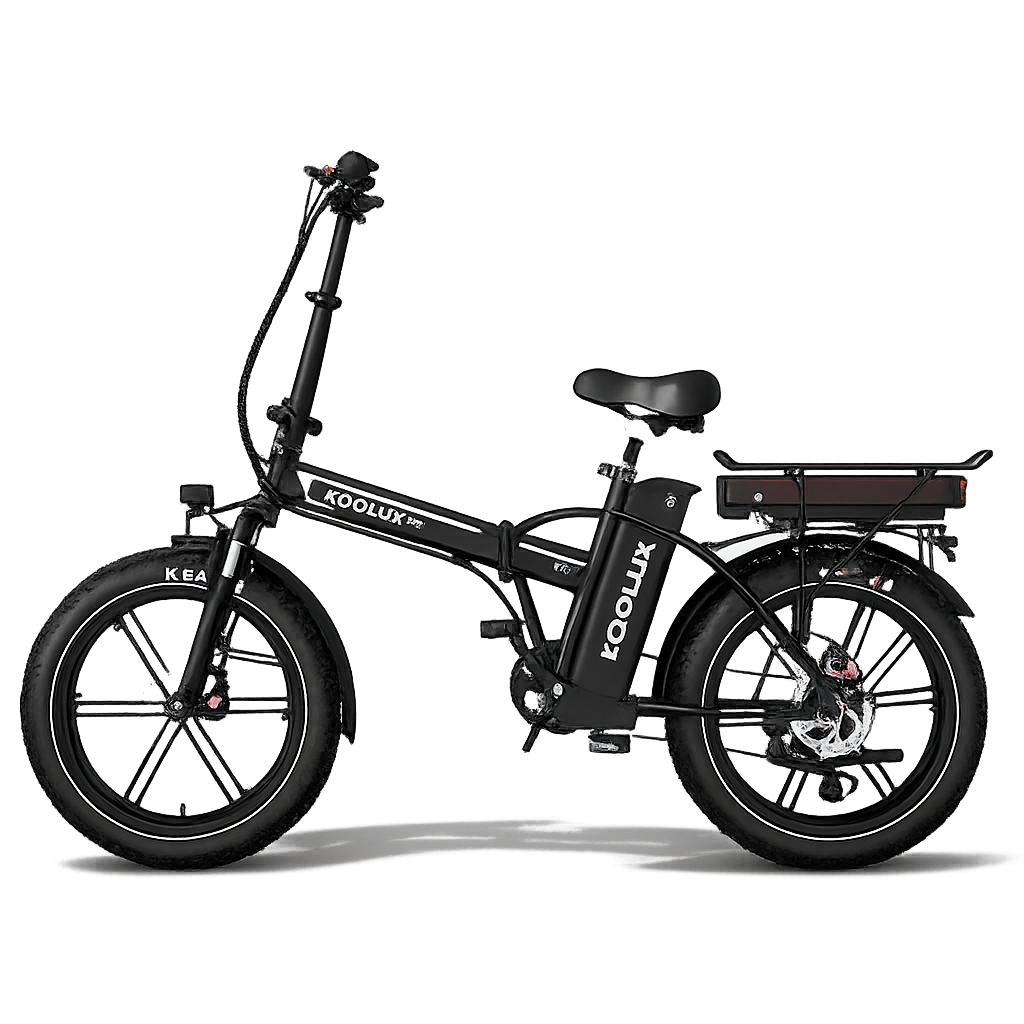
The right electric bike size lets you pedal comfortably, reach the controls without stretching and get on and off confidently. Your height helps narrow the options, but it cannot tell you all of that. Two people of the same height can have different leg lengths, arm lengths and preferred riding positions.
This electric bike size guide gives you a practical way to compare bikes online and a short checklist for a test ride. Start with the manufacturer's chart for the exact model, then check the measurements that affect your everyday riding.
What size electric bike do I need?
Use the model's recommended rider-height range as a shortlist, rather than a guarantee. A size labelled medium on one bike may fit differently from a medium on another. Wheel diameter is also separate from frame size: a small-wheel folding bike can still have a long reach or a high minimum saddle position.
Before comparing models, write down these three measurements:
- Your height: measure without shoes, standing upright against a wall.
- Your cycling inseam: stand barefoot with your feet slightly apart, hold a book snugly against your crotch and measure from the floor to its top edge. Repeat to check consistency.
- A comfortable reference bike: if you already own one, note its saddle position and the distance to the grips. These give you useful comparison points, even if the new frame looks different.
Ask the seller how each published dimension is measured. For example, saddle height measured from the ground cannot be compared directly with a measurement taken from the centre of the crank.
Five checks that matter more than a size label
1. Can you stand over and mount the frame?
Check the space between you and the top tube when standing over the bike in riding shoes. You should be able to stop and dismount without the frame obstructing you. The appropriate clearance depends on the frame and intended riding; use the manufacturer's fit guidance rather than one universal number.
A low step-through opening can make mounting easier, especially with a bag on the rear rack. It does not automatically make the rest of the bike suitable for a shorter rider.
2. Does the saddle adjustment cover your needs?
Check both the minimum and maximum usable saddle positions. During normal seated pedalling, look for a comfortable bend in the knee at the bottom of the stroke, without rocking your hips to reach the pedals. A saddle that is too low can leave you cramped; one that is too high can make you stretch through every revolution.
Keep the seatpost within its marked insertion limits. If comfortable pedalling requires an adjustment outside those limits, choose another size or ask a qualified bike fitter for help.
3. Can you reach the handlebars comfortably?
With your hands on the grips, you should not need to lock your elbows or slide forward on the saddle to reach the bars. Check that you can steer and use both brake levers confidently. A shorter stem or adjustable handlebar may help fine-tune a suitable frame, but accessories should not be the starting assumption for fixing an unsuitable one.
4. Can you manage the bike when the motor is off?
Practise pushing, parking and turning the bike by hand. Think about the narrow doorway, shed entrance or sloped driveway you actually use. A bike can fit well while you are seated yet be awkward to manoeuvre at home. If stairs are part of your routine, check the complete bike's weight before ordering.
5. Does your riding position suit your journeys?
Consider whether you prefer an upright position for relaxed local journeys or a more forward position for longer rides. Neither preference can be decided from your height alone. Spend enough time on the bike to notice pressure on your hands, restricted steering or a feeling of being stretched.
For another perspective on these measurements, REI's bike-fit guidance explains model-specific sizing, standover and fit adjustments. Its mountain-bike examples should be read alongside the instructions for the particular e-bike you are considering.
Folding, step-through or conventional frame?
Folding e-bikes: check the rider-height range, saddle adjustment and handlebar adjustment separately. A compact folded size tells you about storage, not riding fit. Our folding versus full-size e-bike guide explores the practical differences.
Step-through e-bikes: check the height and width of the opening as well as the distance to the grips. Easy access is useful, but reach and saddle position still matter.
Conventional frames: compare the actual geometry when several sizes are available. If you sit between two recommended sizes, test both where possible. Automatically choosing the larger frame for extra room can create an uncomfortable reach.
A five-minute e-bike fit checklist
- Mount and dismount several times with the assistance switched off.
- Adjust the saddle within the manufacturer's limits and check access to the brakes.
- Start with low assistance in a suitable, traffic-free space.
- Try gentle turns, controlled stops and restarting.
- Pedal seated for several minutes and notice whether you feel cramped or stretched.
- Push and park the bike as you would at home.
If buying online, request any missing geometry measurements before ordering. Read the returns conditions, including assembly, test riding and packaging requirements, so you understand how you can assess fit.
Electric bike sizing FAQs
Can a shorter rider use a 20-inch folding e-bike?
Possibly, but 20 inches describes the wheels. Check the minimum saddle height, reach and manufacturer-recommended rider range for the exact model.
Should both feet be flat on the ground while seated?
That is not a universal fit requirement. On many bicycles, a saddle position suitable for pedalling means getting off the saddle at a stop. If seated ground contact is a priority, look for a frame designed around it and test the riding position before buying.
Can two adults share one electric bike?
Yes, if its adjustment range accommodates both riders comfortably and each can manage the bike. Record each person's settings and check all adjustment clamps before riding.
Does the rider-height range also tell me the weight limit?
No. Fit and load capacity are separate. Check whether the published limit covers the rider alone or the combined bike, rider and luggage. Our guide for heavier riders explains what to compare.
Choose fit before extra features
A larger battery or longer feature list cannot compensate for a bike you struggle to control. Browse Voltryv's electric bikes, shortlist models with suitable dimensions and ask for any missing fit information. For the rest of your shortlist, use our first electric bike buyer's guide.

