Torque Sensor vs Cadence Sensor: Which E-Bike Suits You?
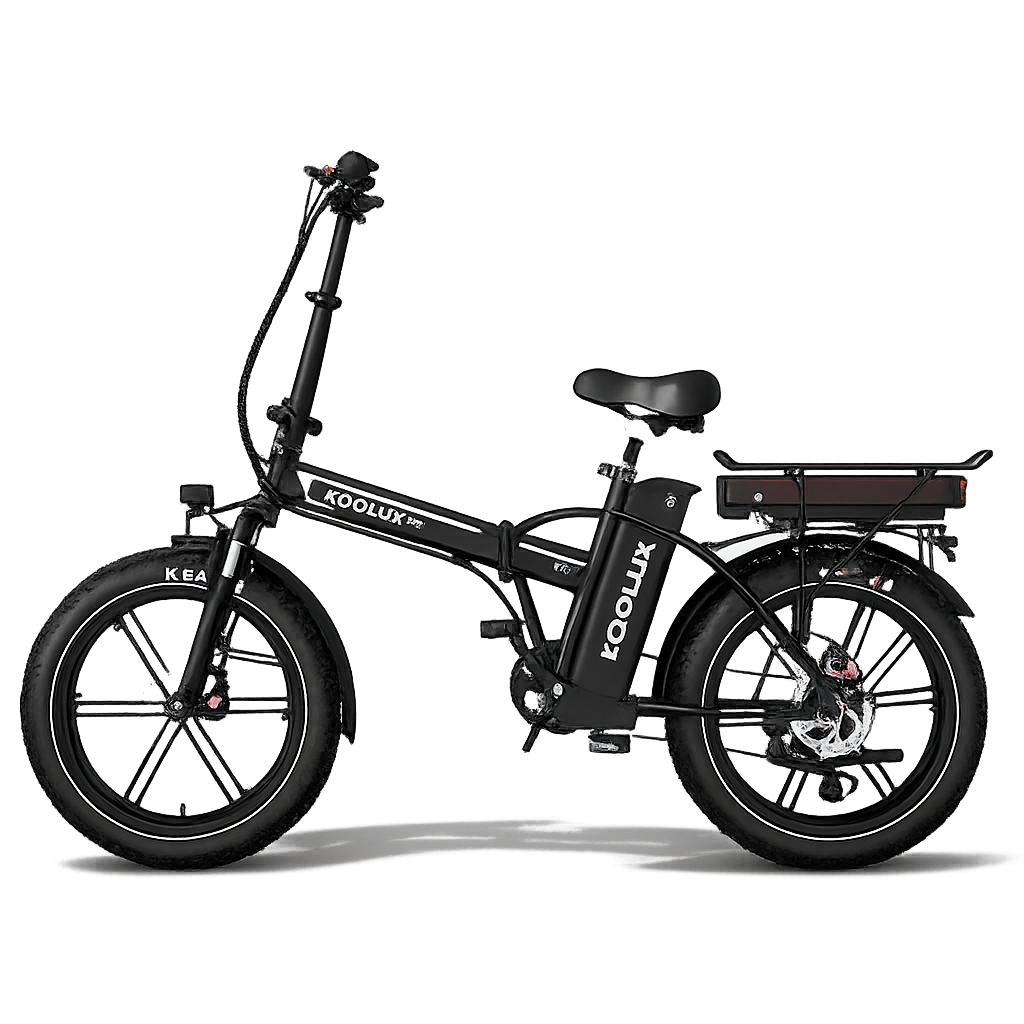
A cadence sensor detects pedal rotation; a torque sensor measures your pedalling effort. That difference helps determine how an electric bike responds when you start, accelerate or ease off. The controller and its settings turn those sensor readings into motor assistance, so the sensor name alone does not tell you exactly how a bike will ride.
If you are comparing torque sensor versus cadence sensor e-bikes, focus on the response you want during everyday journeys. This guide explains the distinction and gives you a practical way to assess it without getting lost in motor specifications.
How does a cadence sensor work?
A cadence sensor reports that the cranks are turning and, depending on the system, how quickly they turn. The controller uses this information with the selected assistance level and other inputs to operate the motor. A cadence-only system does not directly measure how hard you push on the pedals.
That can produce a noticeable distinction between pedalling effort and assistance. On some bikes, light pedalling is enough to maintain substantial help at a selected level. On others, the controller delivers a more gradual response. The number of assistance levels, start-up behaviour and programming all affect the result.
For a buyer, the useful question is whether the bike feels predictable at the speeds you normally ride. Check how much pedal movement is needed before assistance begins and whether the lowest setting is comfortable for slow manoeuvres.
How does a torque sensor work?
A torque sensor measures the effort applied through the drivetrain. A compatible control system can increase assistance as you push harder and reduce it as you ease off. Many systems combine torque information with cadence and wheel-speed readings; torque and cadence sensing are not always mutually exclusive features.
For example, Bafang describes torque-based control that adjusts motor power according to pedalling force. That explains the principle, but it is not a specification for every e-bike or for every model sold by Voltryv.
The attraction is a closer relationship between your input and the motor's response. Whether that feels comfortable depends on the assistance settings, gearing and the particular implementation. Try the exact bike rather than assuming that every torque-sensing model feels the same.
Torque versus cadence: what should you compare?
Starting and stopping
Compare the movement and effort required to start assistance. Then ease off and stop pedalling to assess how the bike responds. Sensor resolution, controller tuning and brake cut-off features can all matter. Do not assume that one sensor label guarantees instant engagement or a particular stopping response.
Slow-speed control
A useful low-assistance setting should let you ride at a comfortable pace without feeling pushed into repeated braking. Check this in a clear, traffic-free area. If the lowest setting feels too strong, ask whether the manufacturer provides supported adjustment options.
Hills and changes of pace
Torque sensing can make assistance respond to increased pedal pressure, while a cadence-based system may require more deliberate assistance-level changes. But climbing ability also depends on the motor, gearing, total load and conditions. A sensor cannot compensate for unsuitable gearing or an overloaded bike. Read our e-bike hill-climbing guide to compare the wider picture.
Your preferred amount of effort
If you want motor assistance to track changes in how hard you pedal, put torque-sensing models on your shortlist. If you prefer selecting an assistance level and maintaining an easy rhythm, try a cadence-based model as well. These are starting points for a test ride, not promises about every bike in either group.
Value and support
Compare the complete package: fit, brakes, battery capacity, service support and the availability of replacement components. An attractive sensor specification is only one part of a useful everyday bike. Ask who can diagnose the system locally and what support is available for the exact model.
Does a torque sensor give you more battery range?
There is no reliable extra-mileage figure based on sensor type alone. Two bikes may have different batteries, motors, tyres, weights and assistance settings. Even on the same bike, route and riding conditions can change the result.
Bosch's explanation of e-bike range identifies multiple influences, including temperature, cadence and tyre pressure. Those factors are a useful reminder to compare complete systems and realistic journeys, rather than treating one component as a range guarantee.
When shopping, compare battery capacity in watt-hours and ask what conditions were used for any advertised range. For journey planning, see our electric bike range guide and leave a reserve for unexpected detours or tougher conditions.
A practical test-ride checklist
- Confirm the specification. Ask whether the exact model and version uses cadence-only sensing, torque sensing or a combination.
- Start on low assistance. Notice how much movement and pedal pressure are needed before the motor helps.
- Change your effort. Pedal gently, then more firmly, and feel how assistance responds.
- Try a slow turn. Check that the bike remains comfortable to control at low speed.
- Ease off and stop. Assess the response when you stop pedalling and use the brakes.
- Try a suitable incline. Use an appropriate gear and compare how easy it is to maintain your preferred effort.
Keep the comparison fair by considering fit and assistance settings too. A poorly adjusted saddle or an unfamiliar gear can distract you from the behaviour you are trying to assess.
Common questions about e-bike sensors
Is motor torque the same as a torque sensor?
No. A motor torque figure, usually given in newton-metres, describes a motor output characteristic. A torque sensor measures rider input. A specification listing motor torque does not prove that the bike has torque-sensing pedal assistance.
Do all mid-drive bikes use torque sensors?
Do not infer sensor type from motor location. Check the manufacturer's specification for the exact system. Likewise, a hub motor does not rule out torque sensing: Bafang's H700 rear-drive system is an example that uses it.
Can I upgrade a cadence sensor to a torque sensor?
Do not assume it is a plug-in replacement. Compatibility can depend on the controller, wiring, firmware and mechanical parts. Ask the bike manufacturer or a qualified service provider whether an approved upgrade exists before buying components.
Which sensor is best for commuting?
The best choice is the system you find predictable during starts, slow turns and changes of pace. Test the bike over situations similar to your commute and consider fit, storage and service support alongside the sensor.
Compare the ride, then the specification
Use sensor type to ask better questions, then assess the complete bike. Browse Voltryv's electric bike collection and confirm any missing specifications before ordering. Our electric bike size guide will help you check the other half of a comfortable ride: a frame and riding position that suit you.

