E-Bike Security UK: How to Stop Your Electric Bike Being Stolen

Updated August 2026 · Voltryv Editorial Team
More than 70,000 bicycle thefts are reported in the UK every year — and since most victims never report, the real number is far higher. E-bikes are the prime target: high resale value, easy to sell in parts. The good news buried in the statistics: the overwhelming majority of stolen bikes were locked badly, locked with rubbish, or not locked at all. Security is not about making your bike unstealable — it is about being a harder target than the bike next to yours. Here is the playbook.
Rule 1: Buy a lock that is actually rated
Bike locks in the UK are independently tested by Sold Secure, which grades them Bronze, Silver, Gold and Diamond. The grades are not marketing — they reflect minutes of resistance against real attack tools.
- Bronze/Silver: fine for a £150 pushbike outside a shop for five minutes. Not for an e-bike.
- Gold: the sensible minimum for any e-bike. Expect to pay £40–£90.
- Diamond: worth it for all-day street parking in city centres.
Rule of thumb: spend around 10% of the bike's value on locks. On a £959 BK6S PRO, a £90 Gold D-lock is not an accessory — it is part of the bike. Many insurers also require a Sold Secure rated lock for a theft claim to pay out, so check your policy wording.
Rule 2: Lock it like you mean it
Technique matters as much as hardware:
- Through the frame, always. A lock through just the front wheel secures… the front wheel. Thieves leave it and take the rest.
- Frame + rear wheel + immovable object is the standard. The rear wheel (with the motor on hub-drive bikes) is the expensive one.
- Two locks of different types — a D-lock plus a chain — force a thief to carry two different tools. Most carry one.
- Keep the lock off the ground and away from the top tube: ground contact enables hammer attacks, and a high lock is awkward to lever.
- Fill the shackle. The less empty space inside a D-lock, the harder it is to jack open.
Rule 3: Strip the value in 10 seconds
This is the e-bike-specific trick most riders skip. When you park:
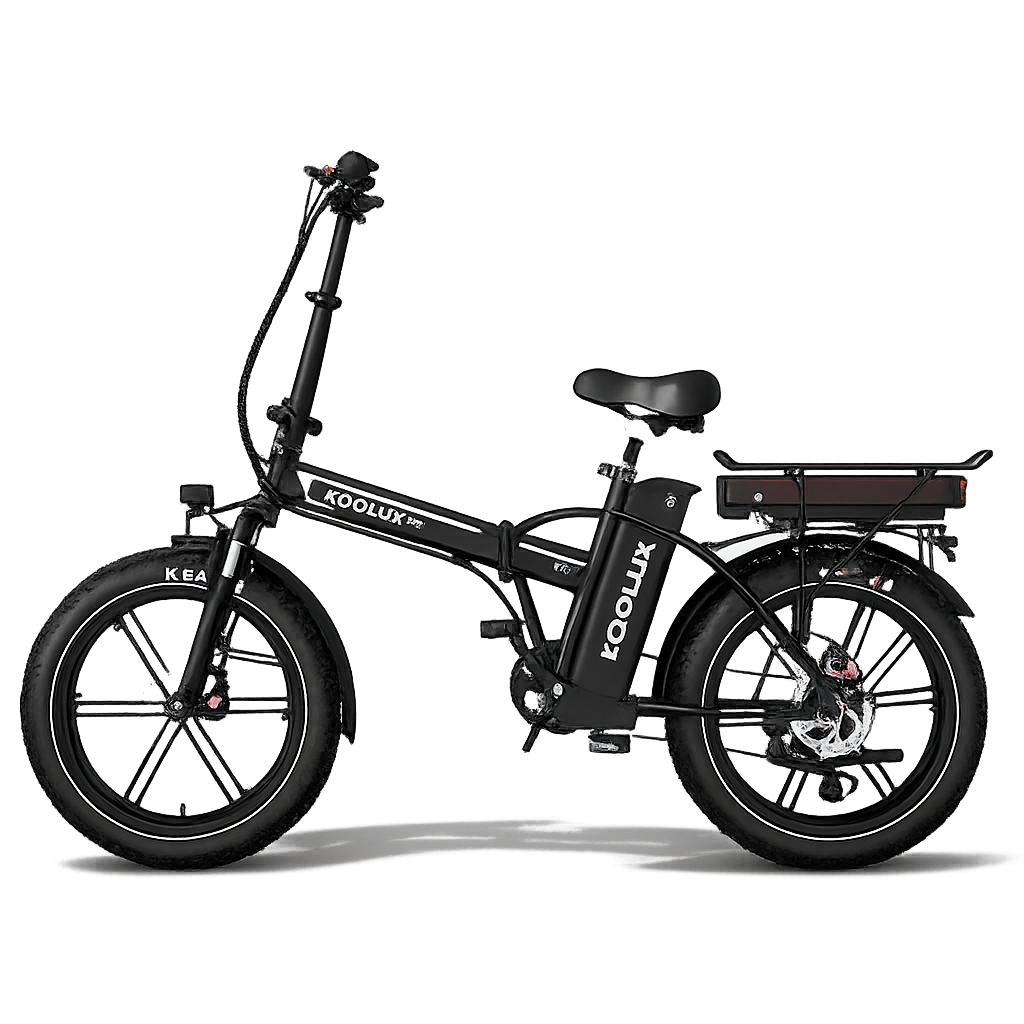
- Take the battery. It slides out in seconds, it is the most expensive component, and a dead-weight e-bike with no battery is a miserable steal and a hard sell. (It also lets you charge indoors — which your battery prefers anyway.)
- Take the display if it is removable — many bikes will not power on without it.
- Photograph your frame number (usually under the bottom bracket) and keep it with your receipt now, before you need it.
Rule 4: Home is where most bikes are stolen
Roughly half of UK cycle thefts happen at or around the home — sheds, communal hallways, gardens.
- In a shed or garage: a ground or wall anchor (£25–£60) plus chain turns "walk in and wheel out" into a noisy, slow job. A £15 shed alarm helps too.
- In a flat: the answer is a bike that comes inside. This is one of the strongest practical arguments for a folder — a 17.4 kg X1 lives under your desk or in a cupboard, where the theft rate is zero. Our folding vs full-size guide weighs this properly.
Rule 5: Track it
- An AirTag or equivalent hidden inside the frame, under a rack plate or beneath the saddle costs ~£30 and has recovered a lot of bikes. Thieves check the obvious spots — be creative.
- Dedicated GPS trackers (£40–£120 plus subscription) add live tracking and movement alerts, worth it at the flagship end.
- Register the frame number free at BikeRegister — police check it, and it converts "a black e-bike" into "my e-bike" in a recovery.
Rule 6: Insure it properly
Home contents policies often cover bikes only at home, with per-item caps below e-bike values. Specialist e-bike insurance runs £60–£150/year — a modest slice of the total running costs — and covers theft away from home, damage and often liability. Read the lock clause: most policies pay out only if the bike was secured with the Sold Secure grade named in the policy.
If the worst happens
- Report it to the police (online or 101) immediately and get the crime reference number — your insurer needs it.
- Give them the frame number, photos and tracker location if you have one. Do not confront thieves yourself over a tracker ping; pass it to the police.
- Notify your insurer within their claim window.
- Watch local marketplace listings — many bikes surface within days; report matches to the police, again without playing hero.
Common questions
Are e-bikes stolen more than regular bikes?
They are targeted more because they are worth more — but they are also easier to protect: removable batteries, removable displays, and (for folders) the option to never leave them outside at all.
Can a thief use the bike without the battery and display?
Ride it, barely — it becomes a heavy pushbike. Sell it easily, no. Stripping the value is genuinely effective deterrence.
What lock do you recommend?
Any Sold Secure Gold D-lock from a reputable maker, plus a Gold chain if you park on the street daily. Add both to a Cycle to Work package and they are 28–42% off too.
Bottom line
Gold-rated lock, proper technique, battery in your bag, frame registered, insurance that matches how you park. Do those five things and you are no longer the easy target — which, statistically, is nearly all that matters. Browse our e-bike range — every bike ships with its frame number documented and a 2-year warranty.