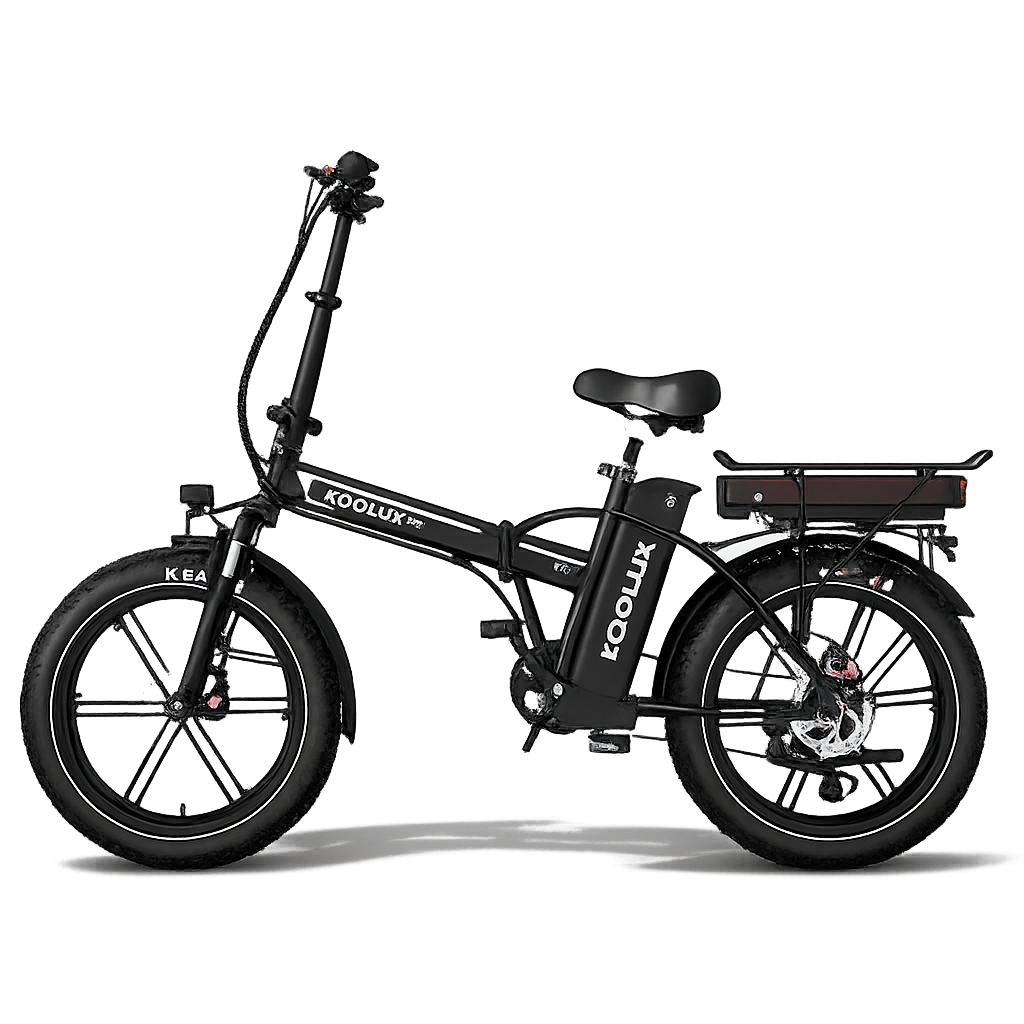
Riding an Electric Bike in Winter: The Complete UK Guide

Updated August 2026 · Voltryv Editorial Team
The question arrives every October: can I keep riding my e-bike through a British winter? Yes — and you should. Winter is when an e-bike earns its keep: no scraping windscreens, no cold bus stops, and the motor erases the headwinds that make winter cycling miserable on a pushbike. You just need to manage three things: water, salt and cold. Here is the complete playbook.
First: yes, e-bikes are fine in the rain
Motors, batteries and controllers on quality e-bikes are sealed to survive weather — riding in rain is exactly what they are designed for. The sensible limits:
- Riding through downpours: fine. Commute as normal.
- Deep standing water: avoid. Hub level is the informal waterline — do not ford floods.
- Pressure washing: never. A jet wash forces water past seals that laugh off rain. Bucket, sponge, low-pressure hose only.
- Dry the battery contacts after soaking rides before charging — thirty seconds with a cloth.
Wet-weather riding technique
- Brake earlier. Wet rims and rotors roughly double stopping distances until the pads bite. Feather the brakes early after big puddles to clear the rotors.
- Respect the slippery trinity: painted road markings, wet leaves and metal (drain covers, tram lines). Cross them upright, no braking, no leaning.
- Corner slower, upright-er. Lean angle is what wet tarmac punishes.
- Drop tyre pressure a few psi for a bigger contact patch — fat-tyre bikes shine here, one of the honest wins in our fat tyre guide.
- Ease the assist level down in the truly greasy stuff — torque spikes from a standing start can spin the rear wheel on wet paint or frost.
Road salt: the real winter enemy
Rain is harmless; grit-lorry brine is corrosive and UK councils spread it from November to March. Left on the bike, it eats chains, spokes, bolts and connectors.
- Rinse after salty rides — a watering can or low hose over frame, wheels and drivetrain takes two minutes.
- Switch to wet lube on the chain (dry lube washes off instantly in winter) and re-apply weekly.
- A smear of dielectric grease on battery and display contacts at the start of winter blocks corrosion all season.
- Mudguards are not cosmetic — they keep spray (and salt) off the bike, the battery and your back.
Cold weather and your battery
Short version of the physics: cold temporarily cuts range 15–25% at freezing, and charging below 0°C causes permanent damage. The winter drill:
- Store and charge the battery indoors; fit it just before riding so it starts warm.
- Never charge a battery that has been out in freezing temperatures — let it warm indoors for 30–60 minutes first.
- Plan range with winter maths: multiply your usual figure by ~0.7, per our range guide.
The full ten rules are in our battery care guide — winter is when they pay for themselves.
Be seen: lights and visibility
- UK law requires a white front light, red rear light and reflectors after dark — and winter commutes are dark both ways.
- Run a flashing rear day-light even in daylight; murky December afternoons are when drivers miss cyclists.
- Angle the front light down in rain — glare off wet tarmac blinds oncoming traffic and washes out your own vision.
- Reflective ankle bands out-perform hi-vis vests per pound: the pedalling motion catches headlights.
What to wear (the 10-second version)
Thin layers over one thick one; a windproof shell over everything; proper gloves (cold fingers cannot brake) and a thin beanie under the helmet. The e-bike advantage: you are not sweating uphill, so you can dress warm without arriving soaked from the inside.
The five-minute post-ride routine
- Rinse off salt spray (skip on dry days)
- Wipe the chain; re-lube weekly
- Dry the battery contacts, take the battery indoors
- Quick squeeze of both brakes — listen for grinding (winter grit wears pads fast)
- Glance at tyre pressure and tread for embedded flints
That routine prevents the vast majority of winter damage and keeps running costs at their pennies-a-day norm.
When not to ride
Ice. Fresh snow is surprisingly rideable (especially on 4-inch tyres at low pressure); black ice is not rideable on anything. If pavements are glazed and untreated, take the bus with your head held high — that is judgement, not weakness.
Common questions
Can I leave the bike outside all winter?
Under a cover it survives, but battery indoors, always — and beware that dark sheds are where winter thefts spike; see our security guide for anchors and alarms.
Does winter shorten battery life permanently?
Cold storage at half-charge is actually gentle on cells. The two killers are charging while frozen and leaving it empty in the cold for months.
Which of your bikes is best for winter?
Any 4-inch-tyre model — the KL6S and BK6S PRO pair fat rubber with hydraulic brakes, the winter combination we would pick ourselves.
Ride through it
Winter riders keep their fitness, their routine and their parking money while everyone else queues in the dark. Browse the range — free UK delivery, 2-year warranty, and honest range figures you can winter-adjust.