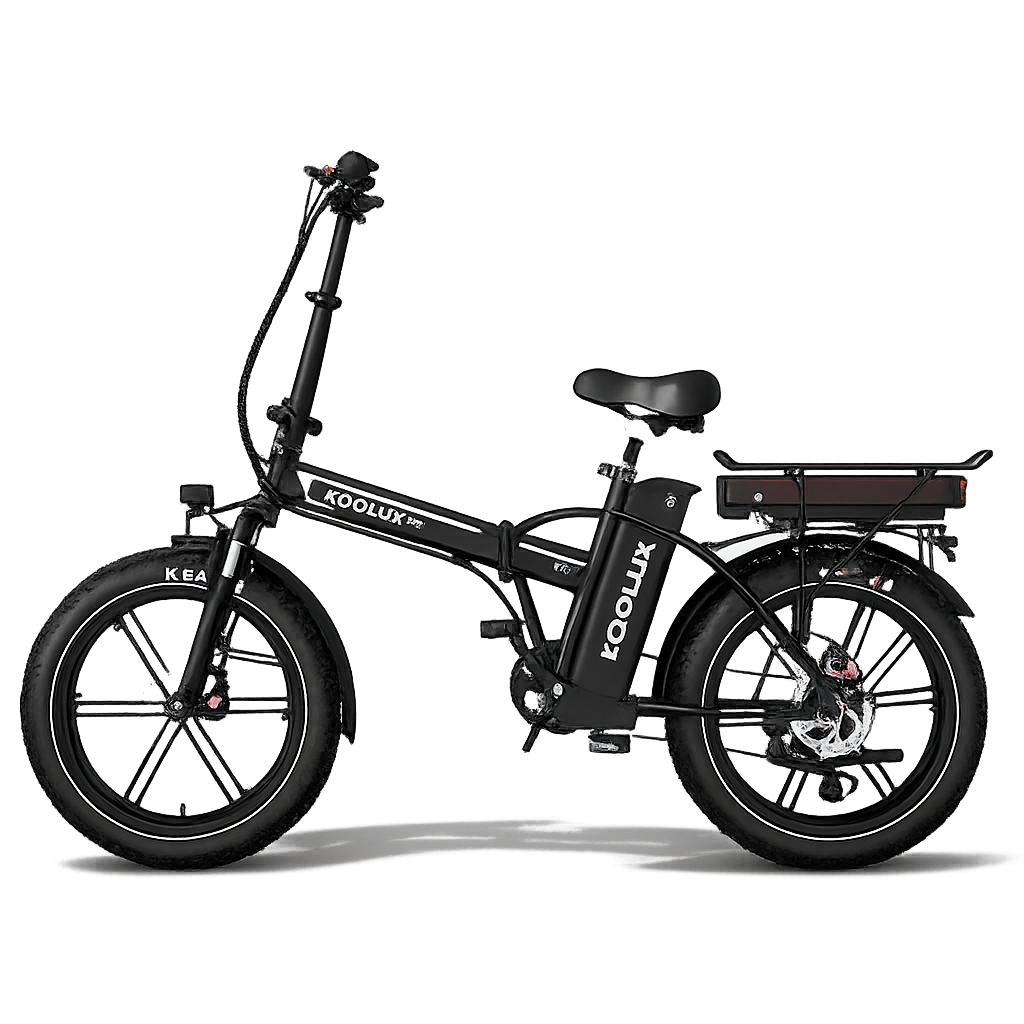
Electric Bike Maintenance: The UK Owner's Complete Care Guide

Updated August 2026 · Voltryv Editorial Team
An electric bike needs dramatically less maintenance than a car and slightly more than a regular bicycle — it is heavier, faster, and carries components worth protecting. The owners who do a little, often, spend pennies; the owners who do nothing for a year pay for new drivetrains. Here is the complete schedule, from two-minute weekly habits to the jobs you should never DIY.
Weekly: the two-minute check
- Tyre pressure. The single highest-value habit in e-bike ownership. Soft tyres wear out faster, drain the battery and handle worse. Check against the pressure printed on the sidewall — and if you ride fat tyres, match pressure to surface using our pressure cheat sheet.
- Brake squeeze. Both levers, firm bite, no lever-to-grip travel. An e-bike is quicker and heavier than a pushbike; brakes are not optional maintenance.
- Lights and display. Ten seconds. Front, rear, display powers on.
- Quick wipe of the frame and battery contacts after wet rides.
Monthly: the 15-minute routine
- Clean and lube the chain. Wipe with a rag, apply lube (wet lube November–March, dry lube in summer), wipe the excess. A £6 bottle doubles chain life.
- Check brake pads. Less than ~1.5 mm of pad material means replacement time (£10–£20 a pair). E-bikes eat pads faster than pushbikes — check monthly, not annually.
- Bolt check. Stem, handlebars, seat clamp, rack, mudguards. Motors add vibration; bolts work loose. Snug, not gorilla-tight.
- Spoke check. Pluck the spokes — they should all sound roughly alike. A loose spoke on a motor wheel needs attention before it becomes a wobble.
- Tyre tread inspection. Pick out embedded flints and glass before they work through to the tube.
- Battery contacts. Clean and dry; a smear of dielectric grease before winter. (The full charging and storage rules live in our battery care guide.)
- Fold hinges — folding bike owners: a drop of light oil on the main hinge and latch, then check they lock firmly with zero play.
- App and firmware — smart-display models like the X10 occasionally ship controller updates through the app. Two taps while the kettle boils.
Every few months
- Drivetrain wear. A £5 chain-checker tool tells you when the chain has stretched. Replace the chain at 0.75% wear (£15–£25) and it saves the far more expensive cassette.
- Wheel true. Spin each wheel and watch the rim against the brake or frame. A gentle wobble is a five-minute shop job now, a rebuilt wheel later.
- Brake feel. Hydraulic levers slowly going spongy means the system wants a bleed — a shop job unless you have done it before.
Annually: the professional service (£50–£100)
Once a year, hand it to a professional. A standard e-bike service covers gear indexing, brake bleed or cable replacement, hub and headset checks, spoke tension, bearing inspection and a general torque-down. As covered in our running costs guide, this is the biggest line in the annual budget — and it is £50–£100 against a car's £200–£400 service plus MOT.
Any competent bike shop can service the mechanical side of an e-bike (brakes, gears, wheels are standard parts). Electrical faults are rarer and usually diagnosed by swapping components — for anything motor- or battery-side on a Voltryv bike, contact us first; it may be a warranty job.
The e-bike-specific jobs people miss
- Connector check. Twice a year, follow the cable runs and make sure motor and display connectors are fully seated and unchafed.
- Torque the axle nuts on hub-motor wheels — a loose motor axle can damage the dropouts.
- Hinge wear on folders — play in the fold is a stop-riding-now fault, not a quirk.
- Winter salt rinse — road brine corrodes everything; the five-minute winter routine prevents most of it.
What NOT to DIY
- Never open the battery. No exceptions. A £300 pack is not worth a fire or a voided warranty; degraded packs get replaced, not repaired.
- Motor internals. Sealed for a reason — opening them ends your warranty.
- Hydraulic brake bleeds and motor-wheel spoke replacement — genuinely skilled jobs; shops do them cheaply and correctly.
Consumables: what wears and what it costs
| Part | Typical life | Cost |
|---|---|---|
| Brake pads | 1,000–3,000 km | £10–£20/pair |
| Chain | 2,000–4,000 km | £15–£25 |
| Tyres | 2,000–5,000 km | £25–£40 each |
| Battery | 800–1,000 cycles (years) | £250–£400 |
Common questions
How often should an e-bike be serviced?
Professionally once a year (or every ~3,000 km for heavy commuters), with the weekly and monthly owner checks above in between. New bikes benefit from a first check at ~500 km once cables stretch and spokes settle.
Does home maintenance void the warranty?
No — routine care (chain, pads, tyres, bolts) is expected. Opening sealed components (battery, motor, controller) is what voids it.
What is the most neglected job?
Tyre pressure, by miles. It is invisible, takes thirty seconds, and affects range, grip, comfort and tyre life simultaneously. If you adopt one habit from this guide, adopt that one.
Keep it simple
Two minutes weekly, fifteen minutes monthly, one shop visit yearly. That is the whole discipline — and it keeps a quality e-bike running for many years. New to all this? Our first-time buyer guide covers what to look for before you own one, and every bike in our UK range ships with a 2-year warranty on exactly the components you should never open yourself.